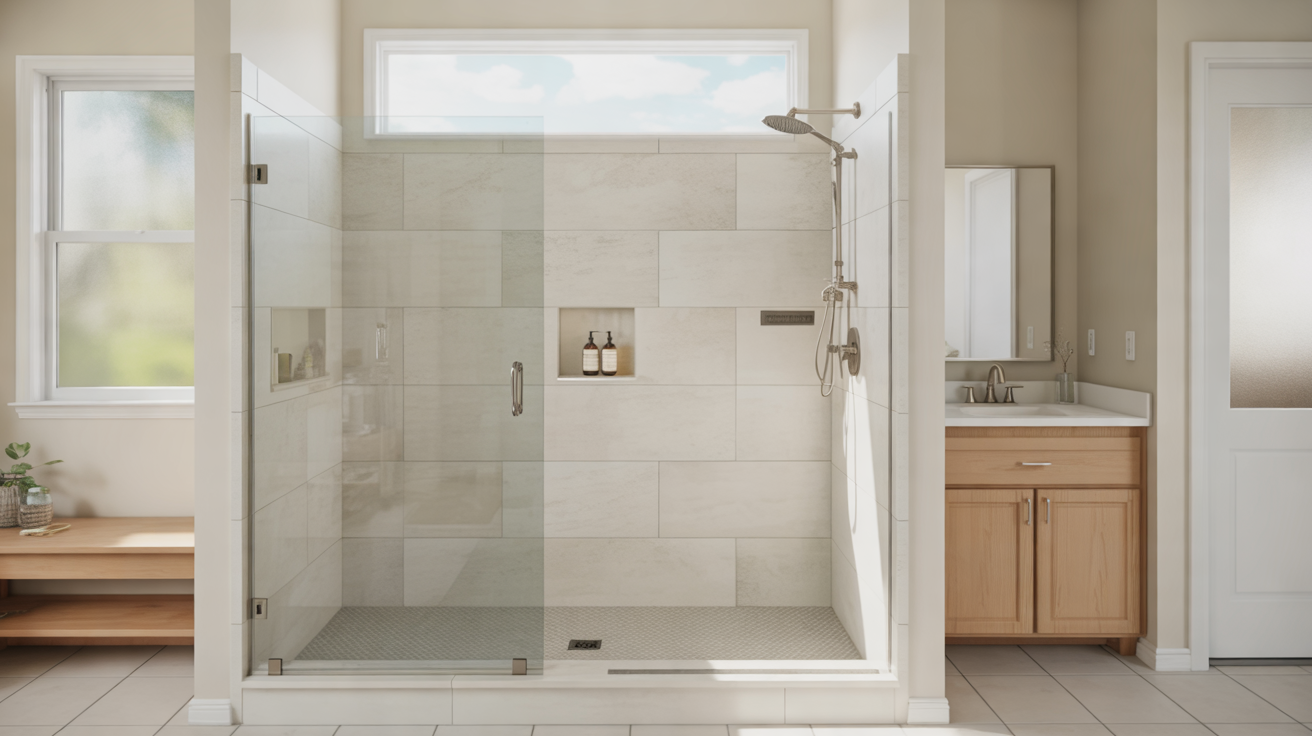
Planning a shower replacement raises a lot of questions: How long will it take? What does the warranty really cover? How do you keep your new shower looking great for years? This FAQ page walks through timelines, warranties, and maintenance in plain language so you know what to expect before, during, and after your project.
Shower Replacement Timelines: What to Expect
Every bathroom is different, but most shower replacement projects follow a similar pattern. Your exact schedule depends on the size of the job, the materials you choose, and whether any hidden issues show up once the old shower is removed.
Typical Timeline Breakdown
| Stage | What Happens | Typical Duration |
|---|---|---|
| Planning & quotes | Consultation, design decisions, estimates | Few days to 2 weeks |
| Ordering materials | Shower walls, base, fixtures, glass, etc. | 1–4 weeks depending on availability |
| Demolition | Remove old shower, inspect framing and plumbing | 1 day for most homes |
| Rough plumbing & repairs | Adjust drains, valves, fix water damage if needed | 0.5–2 days |
| Installation | New pan/base, wall surrounds or tile, fixtures | 1–3 days |
| Curing & finishing | Caulk/adhesive cure time, final touch-ups | 24–48 hours before use |
Some projects promote “one-day” installation, especially when using pre-fabricated shower systems. For more detail on those options, you can review One-Day Shower Replacement: Is It Worth It?.
Factors That Can Speed Up or Slow Down the Job
- Scope of work: Swapping an old shower for a same-size unit is faster than a full layout change or tub-to-shower conversion. For those larger projects, see the Tub-to-Shower Conversion Guide.
- Material choices: Acrylic and solid surface wall systems install faster than custom tile, which requires extra time for waterproofing and grout.
- Plumbing changes: Moving a drain or shower valve adds complexity and time but can be wise to tackle now; learn more in Shower Drain and Plumbing Upgrades to Do During Replacement.
- Hidden damage: Mold, rot, or outdated plumbing can extend the job but are important to fix while the walls are open.
How Long You’ll Be Without a Shower
For many homeowners, the most important question is how many days you will be without a working shower. In many straightforward projects, the shower is out of service for 2–4 days, plus curing time for caulk and grout. Ask your contractor for a clear schedule during your estimate so you can plan around it. You can also use How to Prepare Your Bathroom for a Shower Replacement Project to get ready in advance.
Shower Replacement Warranties Explained
Warranties are a major part of protecting your investment. Every company and manufacturer sets its own terms, so it is important to read the details and ask questions before you sign a contract.
Common Types of Warranties
- Product or manufacturer warranty: Covers defects in the shower base, wall panels, glass doors, fixtures, and valves for a set number of years.
- Labor or workmanship warranty: Covers issues caused by installation errors, such as leaks from improper sealing or misaligned doors.
- Finish warranties: Some faucets, drains, and shower heads offer separate coverage against peeling, flaking, or fading of finishes.
For a deeper look at what these warranties usually include and exclude, visit Shower Replacement Warranties and What They Really Cover.
What Warranties Often Do and Don’t Cover
Policies vary, but many warranties:
- Do cover: Cracks in the shower base under normal use, separation of seams in manufactured surrounds, or leaking valves due to product defects.
- Do not cover: Damage from misuse, harsh chemicals, neglect, or work done by unlicensed installers after your project is completed.
Some warranties also become void if you do not follow the recommended cleaning and maintenance guidelines. This is one reason to start with a clear maintenance routine from day one.
Questions to Ask About Warranties
Before you commit to a contractor or product, consider asking:
- How long are labor and materials covered, and are they separate warranties?
- Is the warranty transferable if the home is sold?
- What issues are considered “wear and tear” and not covered?
- Who do I contact to make a warranty claim—your company or the product manufacturer?
For more question ideas, you may find Checklist: Questions to Ask Before Booking a Shower Replacement helpful while interviewing contractors.
Maintenance Basics for Your New Shower
Proper care keeps your new shower looking good and working correctly, and it can also help support your warranty coverage. Maintenance does not need to be complicated; simple habits make the biggest difference.
Daily and Weekly Habits
- Rinse and wipe down: After showering, quickly spray and rinse walls and glass, then use a squeegee or cloth to remove water.
- Keep air moving: Run the exhaust fan during and after showers to remove moisture. For upgrade ideas, see Shower Lighting and Ventilation Upgrades During Replacement.
- Spot clean: Wipe away soap spills, shampoo drips, or early signs of buildup before they harden.
Monthly and Seasonal Tasks
- Clean with gentle products: Use non-abrasive, non-bleach cleaners that are approved for your wall material and fixtures. Some acrylic or solid surface surrounds can be scratched by scouring pads.
- Check caulk and grout: Look for gaps, cracks, or discoloration where walls meet the base and around fixtures. Early repairs prevent leaks.
- Inspect drains: Remove hair and buildup from the drain cover. Slow drainage can signal a clog or plumbing issue.
For a more detailed routine, including recommended tools and cleaners for different materials, see How to Clean and Maintain Your New Shower for Long-Lasting Results.
Choosing Low-Maintenance Materials
If easy maintenance is a priority, certain materials and layouts can significantly reduce your cleaning time and help fight mold and mildew.
- Wall surrounds: Solid surface and large waterproof panels have fewer joints than small tiles, which means fewer grout lines to scrub. A comparison of wall options is available at Shower Wall Surrounds: Solid Surface, Panels and Tile Compared.
- Flooring: Textured surfaces and materials designed to be non-porous are easier to keep clean and safer underfoot. For safety-focused choices, visit Non-Slip Shower Flooring Options for Safer Bathrooms.
- Low-maintenance products: Mold- and mildew-resistant materials can cut down on deep cleaning; learn more at Low-Maintenance Shower Materials That Resist Mold and Mildew.
Frequently Asked Questions
How soon can I use my new shower after installation?
Most installers recommend waiting 24–48 hours before using your new shower. This allows caulk, adhesives, and grout (if used) to cure properly and form a watertight seal. Your installer should give you a specific timeframe based on the products used.
Will a shower replacement create a lot of dust and mess?
Demolition can be dusty, but professional installers usually take steps like floor covers, plastic barriers, and debris removal. You can prepare by clearing counters, moving items out of the bathroom, and reviewing How to Prepare Your Bathroom for a Shower Replacement Project.
Can I stay in my home during the project?
Yes, homeowners almost always stay in the home during a shower replacement. You will need to plan around the temporary loss of that shower, and there will be some noise during working hours, but you should still be able to use other parts of your home normally.
How do I know if an issue is a warranty claim or normal maintenance?
Start by reviewing your warranty documents for examples of covered defects and exclusions. Issues like cracked grout, mold from poor ventilation, or scratches from abrasive cleaners are often considered maintenance. Failures in materials or installation are more likely to fall under warranty. For guidance on what is typically included, visit Shower Replacement Warranties and What They Really Cover.
Is it better to repair my old shower or fully replace it?
Minor issues such as re-caulking or replacing a shower head can often be handled as repairs. However, recurring leaks, widespread tile damage, or mold behind walls usually point to deeper problems that replacement solves more reliably. Common Shower Replacement Problems and How Pros Fix Them can help you understand when replacement becomes the better long-term solution.
Where can I learn more before starting a project?
You can explore additional topics like costs, financing, and design choices across the site. Many homeowners start with the Shower Replacement Cost Guide, DIY vs Professional Shower Replacement: Risks, Costs and Results, and the latest articles on the Blog. If you are ready to talk about your own bathroom, the contact details for Shower Replacement Port St. Lucie are available on the Contact and Get Started pages.